Trees of North America
Introduction
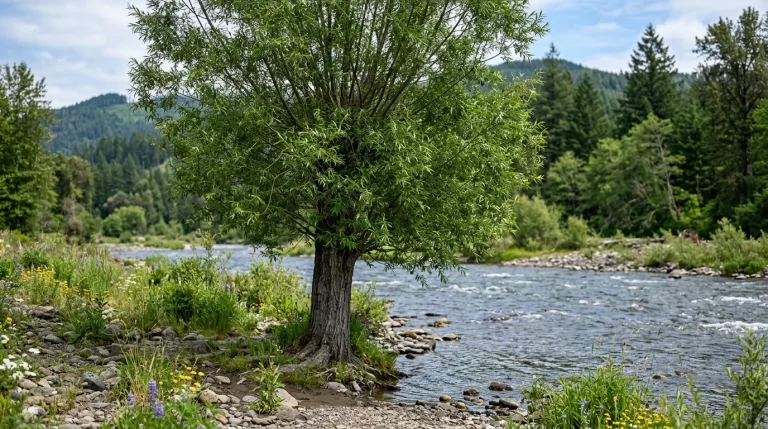
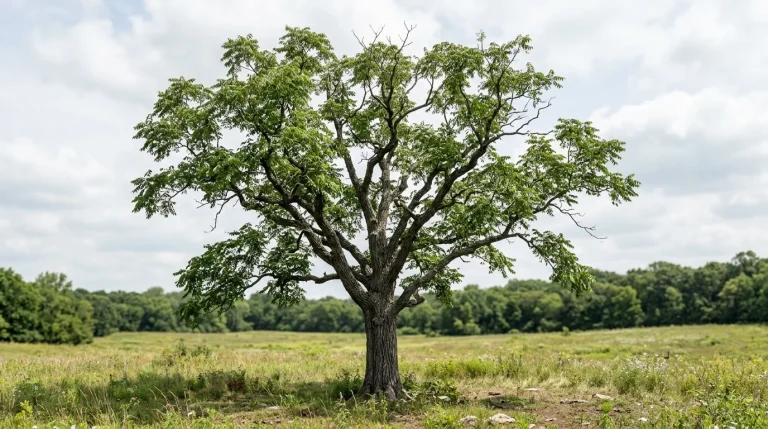
Trees shape North America’s landscapes and ecosystems, from towering redwoods and northern conifer forests to eastern hardwoods, southern woodlands, deserts, mountains, and river valleys. With hundreds of species ranging from familiar oaks, maples, and pines to willows, birches, hickories, and flowering trees, they can be identified by their leaves or needles, bark, flowers, cones, fruits, seeds, and overall form.
I think that I shall never see
A poem lovely as a tree.
A tree whose hungry mouth is prest
Against the Earth’s sweet flowing breast;
A tree that looks at God all day,
And lifts her leafy arms to pray;
A tree that may in Summer wear
A nest of robins in her hair;
Upon whose bosom snow has lain;
Who intimately lives with rain.
Poems are made by fools like me,
But only God can make a tree.
Joyce Kilmer (December 6, 1886 – July 30, 1918)
Trees also form the foundation of countless wildlife habitats. They provide food, nesting sites, shelter, shade, and protection for birds, mammals, insects, and other animals year-round. Our Tree Guides will help you identify North American trees, distinguish similar species, understand where they grow, and learn about their role in the natural world.
Browse the tree groups below to explore identification guides covering leaves, bark, flowers, cones, fruits, seeds, range, habitat, and other characteristics that help distinguish one species from another.
Birches, Alders, and Hazelnuts
Birches, Alders, and Hazelnuts are familiar deciduous trees and shrubs found across forests, wetlands, streambanks, and woodland edges throughout North America. Many are easily recognized by their distinctive bark, toothed leaves, slender catkins, and small winged seeds or edible nuts.
These plants are important parts of woodland ecosystems. Birches and alders provide food and shelter for birds and mammals, while hazelnuts provide nutritious nuts for squirrels, chipmunks, deer, and many bird species. This guide will help you identify common species by their leaves, bark, flowers, fruit, habitat, and range.


Cedars, Junipers, and Redwoods
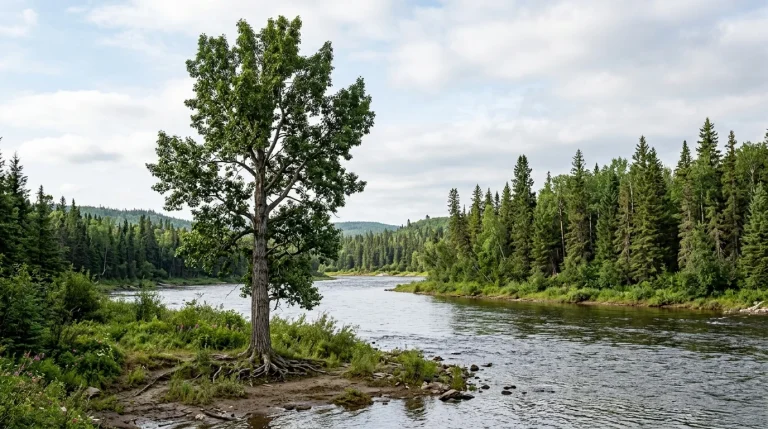
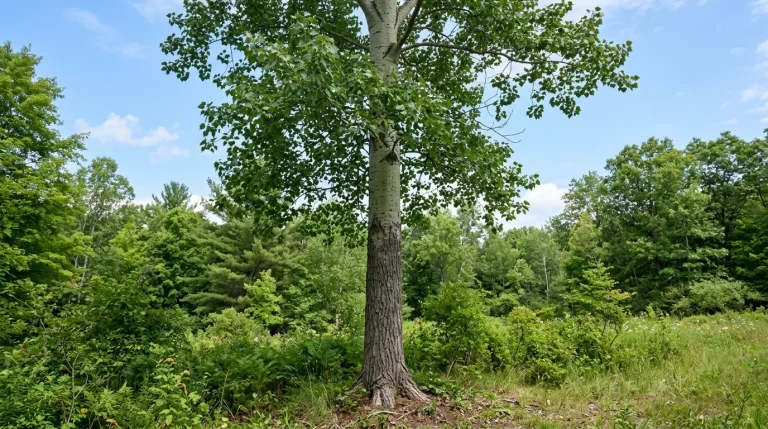
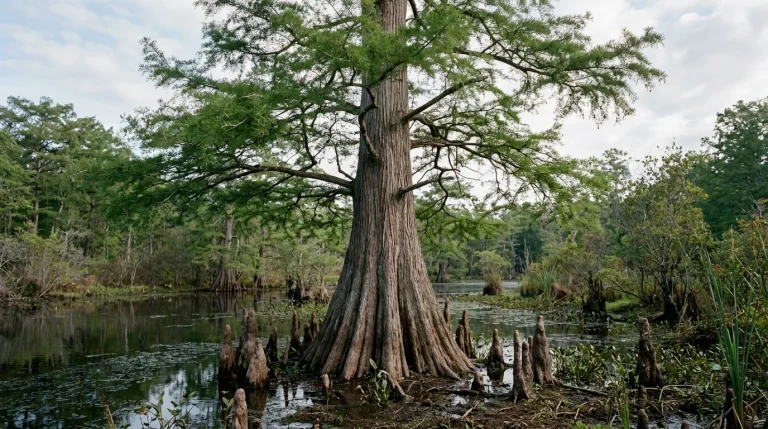
Cedars, Junipers, and Redwoods are distinctive evergreen conifers, ranging from low, spreading shrubs to some of the tallest and most massive trees on Earth. Found in habitats ranging from deserts and rocky slopes to cool coastal forests, these trees are recognized by their scale-like or needle-like foliage, cones, aromatic wood, and often colorful or textured bark.
These conifers provide valuable food, shelter, and nesting habitat for wildlife. Juniper berries are especially important to many birds and mammals, while mature cedars and redwoods create complex forest habitats for numerous species. This guide will help you identify common species by their foliage, cones or berries, bark, growth form, habitat, and geographic range.



Elms, Ashes, and Hackberries
Elms, Ashes, and Hackberries are widespread deciduous trees found in forests, along streams and rivers, and across open woodlands throughout North America. They can be distinguished by leaf shape and arrangement, bark patterns, branching structure, flowers, and distinctive winged seeds or berry-like fruits.
These trees benefit wildlife by providing food, nesting sites, and protective cover for birds, mammals, and insects. Some species have also been dramatically affected by diseases and invasive pests, making accurate identification increasingly important. This guide will help you recognize common elms, ashes, and hackberries by their leaves, bark, fruit, overall form, habitat, and range.


Flowering and Fruit-Producing Trees
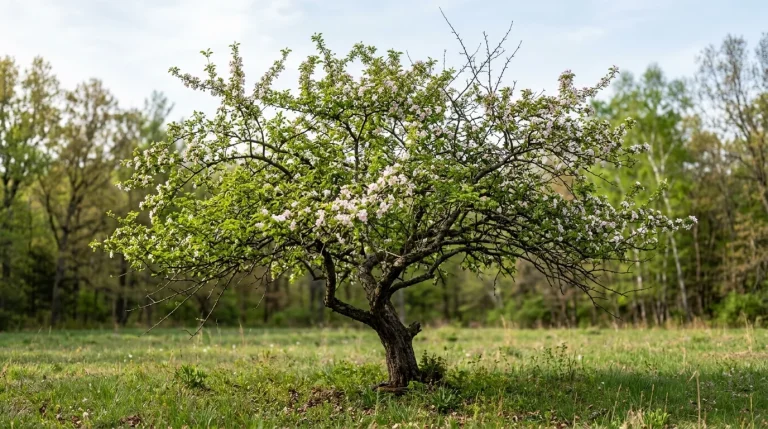
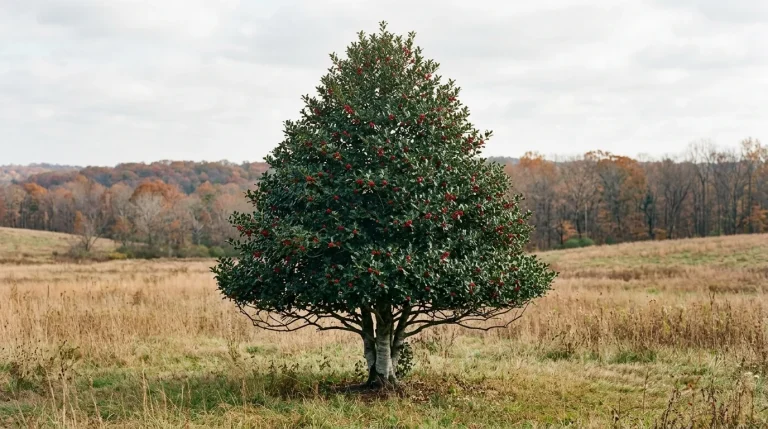
Flowering and Fruit-Producing Trees bring some of the most noticeable seasonal color and wildlife activity to North American forests, woodland edges, and open landscapes. This diverse group includes trees known for showy spring blossoms and others for colorful berries, cherries, plums, crabapples, and other fruits that appear later in the year.
These trees are especially valuable to wildlife, providing nectar and pollen for insects and fruit for songbirds, game birds, and mammals. Their flowers, leaves, bark, fruit, and growth habits also provide excellent clues for identification. This guide will help you recognize common flowering and fruit-producing trees by their seasonal features, habitat, and geographic range.


Hickories and Walnuts
Hickories and Walnuts are large deciduous trees best known for their compound leaves, distinctive bark, and hard-shelled nuts. Found throughout much of North America, especially in eastern forests and woodlands, these trees include familiar species such as shagbark hickory, pecan, black walnut, and butternut.
Their nutritious nuts provide an important food source for squirrels, chipmunks, deer, and many birds, while mature trees offer valuable shelter and nesting habitat. This guide will help you identify common hickories and walnuts by their leaves, bark, nuts, buds, overall form, habitat, and geographic range.


Maples
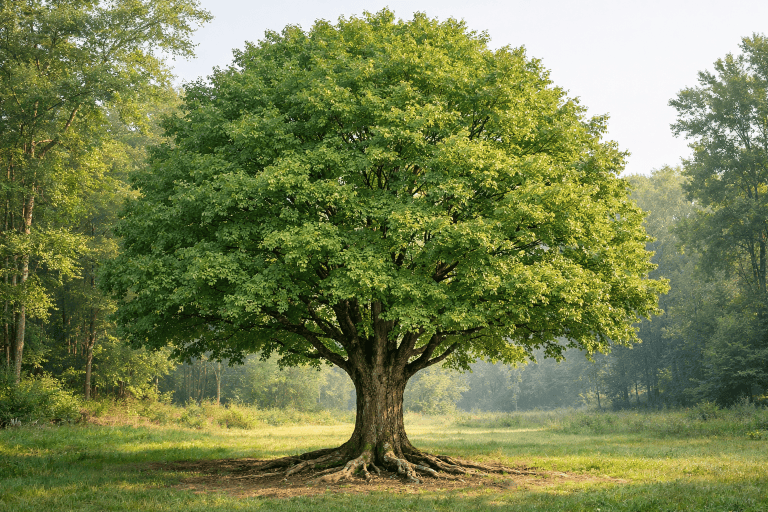
Maples are among the most familiar and easily recognized deciduous trees in North America, known for their distinctive lobed leaves, brilliant fall colors, and paired winged seeds called samaras. They grow in a wide variety of habitats, from cool northern forests and moist stream valleys to mountain slopes and urban landscapes.
Maples provide important food and shelter for birds, mammals, and insects year-round. Their flowers, seeds, bark, branching patterns, and spectacular autumn foliage offer useful identification clues. This guide will help you recognize common maple species by their leaves, bark, seeds, overall form, habitat, and geographic range.



Pines
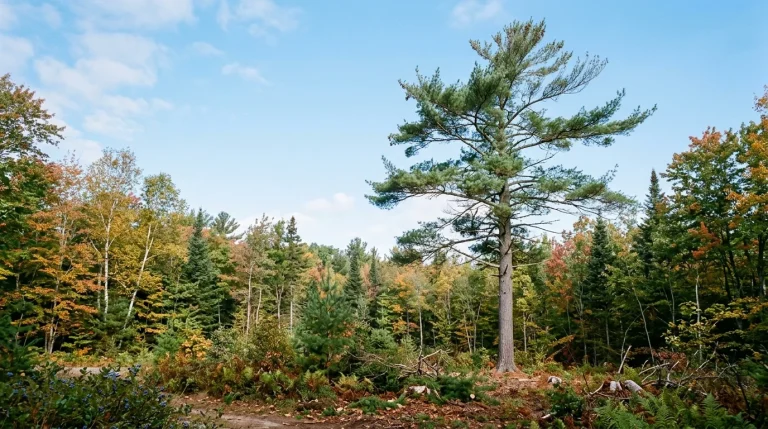
Pines are among the most widespread and recognizable evergreen conifers in North America, ranging from towering forest trees to rugged species adapted to mountains, deserts, and windswept coastlines. You can easily recognize them by their needle-like leaves arranged in bundles, woody cones, distinctive bark, and often fragrant resin.
Pine forests provide essential food, shelter, and nesting habitat for birds, mammals, and countless other wildlife species. Their needles, cones, bark, growth form, and habitat provide excellent clues for identification. This guide will help you recognize common North American pines and distinguish similar species in the field.


Oaks
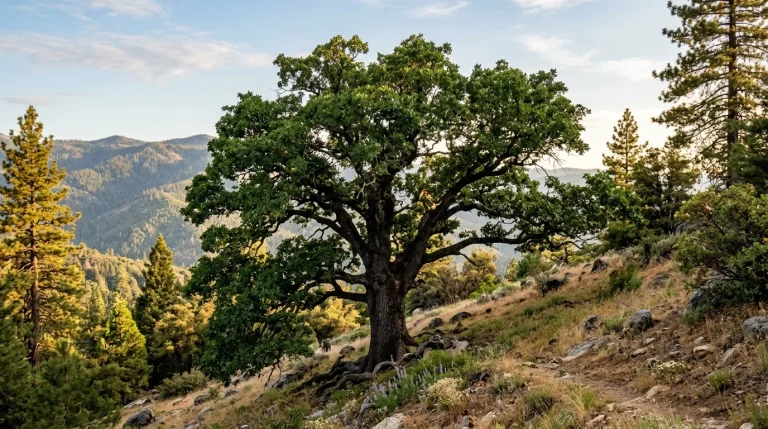
Oaks are among the most important and recognizable deciduous trees in North America, ranging from massive forest trees to smaller species adapted to dry woodlands and rugged landscapes. They are best known for their distinctive lobed or toothed leaves, sturdy branching forms, textured bark, and acorns.
Oaks support an extraordinary variety of wildlife. Their acorns feed deer, squirrels, turkeys, jays, and many other animals, while their leaves, bark, and branches provide habitat for hundreds of insect species and nesting sites for birds. This guide will help you identify common North American oaks by their leaves, acorns, bark, overall form, habitat, and geographic range.



Spruces, Firs, and Hemlocks
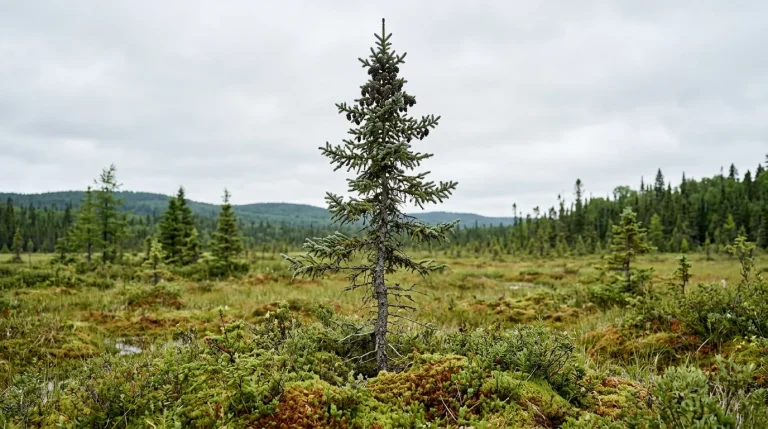
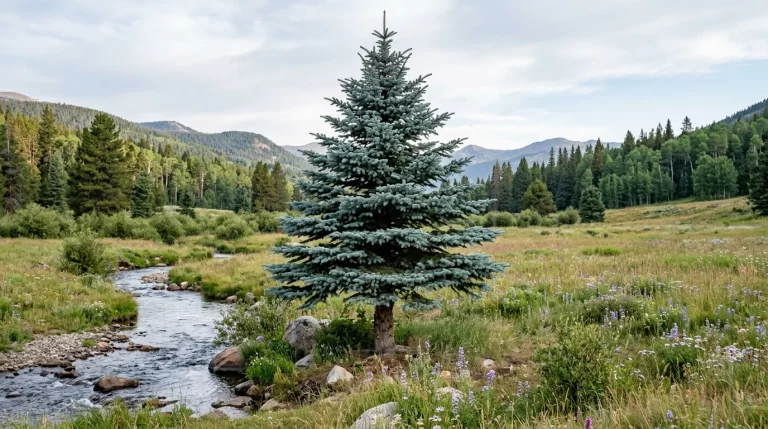
Spruces, Firs, and Hemlocks are important evergreen conifers of North America’s northern forests, mountain slopes, and cool, moist woodlands. Although they can look similar at first glance, their needles, cones, bark, and branching patterns provide reliable clues for telling them apart.
These trees create essential habitat for birds, mammals, and other wildlife, providing year-round shelter, nesting sites, and food. From towering firs and dense spruce forests to graceful hemlocks growing along shaded streams, this guide will help you identify common species by their needles, cones, bark, overall form, habitat, and geographic range.


Willows
Willows are graceful deciduous trees and shrubs commonly found along rivers, streams, lakeshores, wetlands, and other moist habitats throughout North America. They are recognized by their often long, narrow leaves, flexible branches, small flowers arranged in catkins, and strong association with water.
Willows provide valuable food, cover, and nesting habitat for birds, mammals, and insects, while their roots help stabilize streambanks and reduce erosion. This guide will help you identify common North American willows by their leaves, bark, catkins, growth form, habitat, and geographic range.