

Water Birds of North America
From ducks paddling across quiet ponds to herons wading through marshes and pelicans gliding over coastal waters, North America’s water birds bring life to our waterways. Explore guides to ducks, geese, swans, loons, grebes, herons, cranes, and other birds found around lakes, rivers, wetlands, and shores. Learn to recognize each species by its appearance, calls, and behavior, and discover where it lives, what it eats, and how its life follows the changing seasons.
Ducks
Ducks are familiar waterbirds found on lakes, ponds, rivers, marshes, coastal waters, and other aquatic habitats throughout North America. They include dabbling ducks, diving ducks, sea ducks, and other specialized groups, each adapted to different foods and habitats. Plumage, size, behavior, and habitat can all provide useful clues for identifying the ducks you see.
Dabbling Ducks
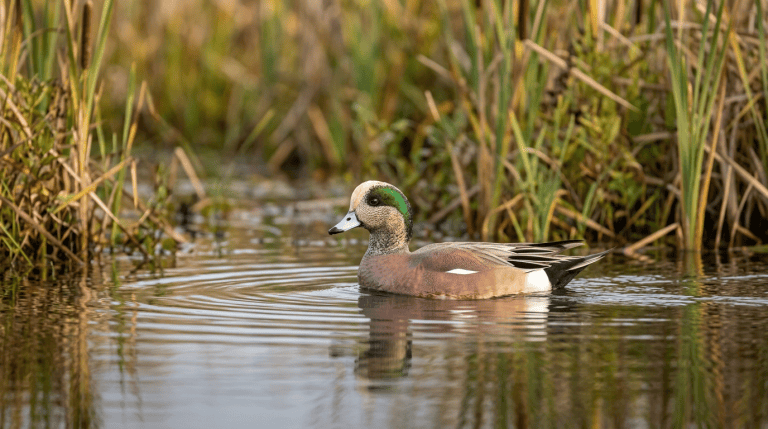
Dabbling ducks are freshwater ducks that usually feed near the surface by tipping forward to reach aquatic plants, seeds, insects, and other food. Commonly found on ponds, marshes, lakes, and slow-moving rivers, they typically take flight directly from the water rather than running along the surface.



Diving Ducks
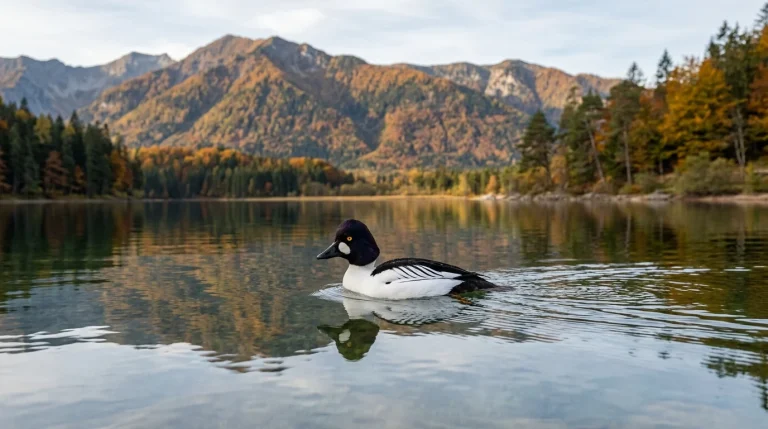
Diving ducks are waterbirds that plunge beneath the surface to feed on aquatic plants, insects, mollusks, fish, and other underwater foods. Often found in deeper lakes, rivers, and coastal waters, they typically sit low in the water and may run across the surface before taking flight.


Whistling Ducks
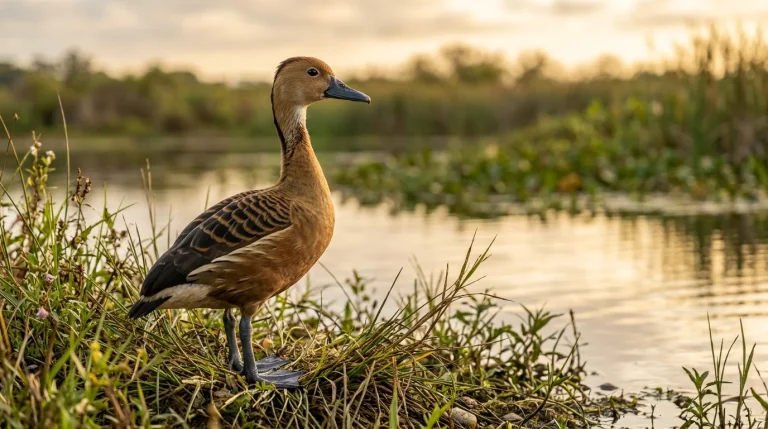
Whistling ducks are long-legged, long-necked waterfowl named for their distinctive whistling calls. Often found around marshes, ponds, flooded fields, and other wetlands, they frequently perch in trees and are more likely than many ducks to be seen walking on land.

Sea Ducks
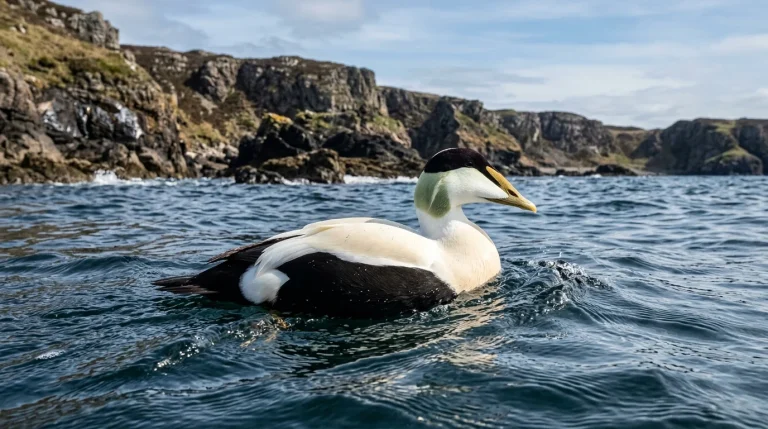
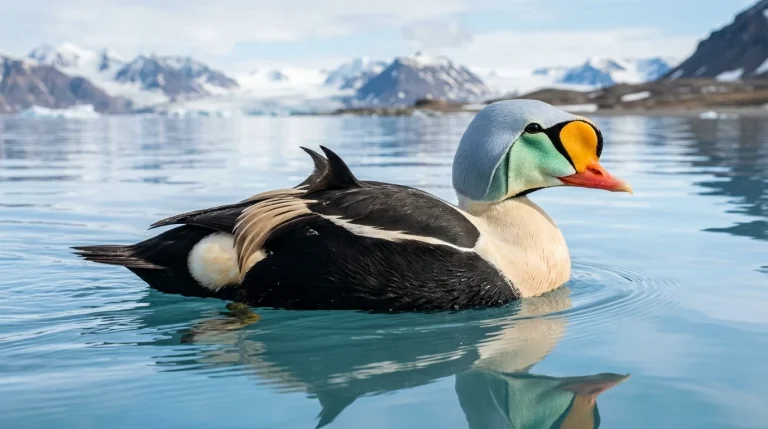
Sea ducks are hardy diving ducks adapted to life along coastlines, bays, estuaries, and other large bodies of water. Powerful swimmers and divers, they feed on fish, mollusks, crustaceans, and other aquatic foods, with many species spending the winter in large offshore flocks.

Geese and Swans
Geese and swans are among North America’s most recognizable water birds, from the familiar honking of Canada Geese overhead to the graceful presence of swans on quiet lakes. Found around wetlands, rivers, lakes, and coastal waters, these birds are known for their strong family bonds and seasonal gatherings. Explore our guides to identify each species by its size, plumage, calls, and behavior, and learn about its habitat, feeding habits, and migration.


Loons and Grebes
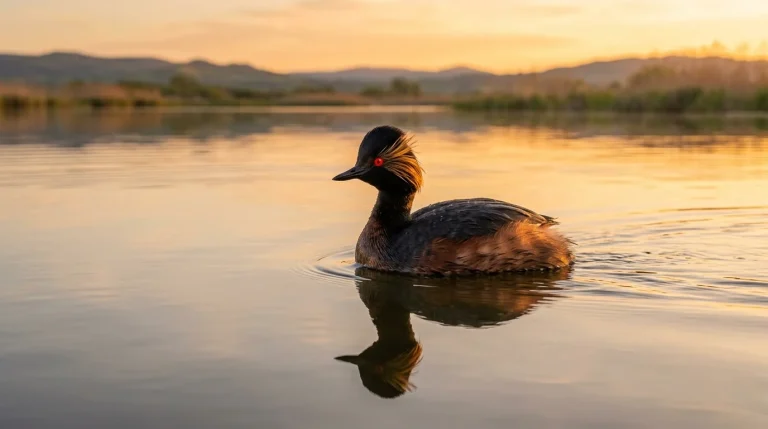
Loons and grebes are skilled diving birds found on North America’s lakes, ponds, and coastal waters. Loons are known for their haunting calls and striking breeding plumage, while grebes range from small, shy pond dwellers to elegant birds with elaborate courtship displays. Explore our guides to identify these birds by their markings, shapes, calls, and behavior, and learn about their habitats, feeding habits, and seasonal movements.


Herons and Allies
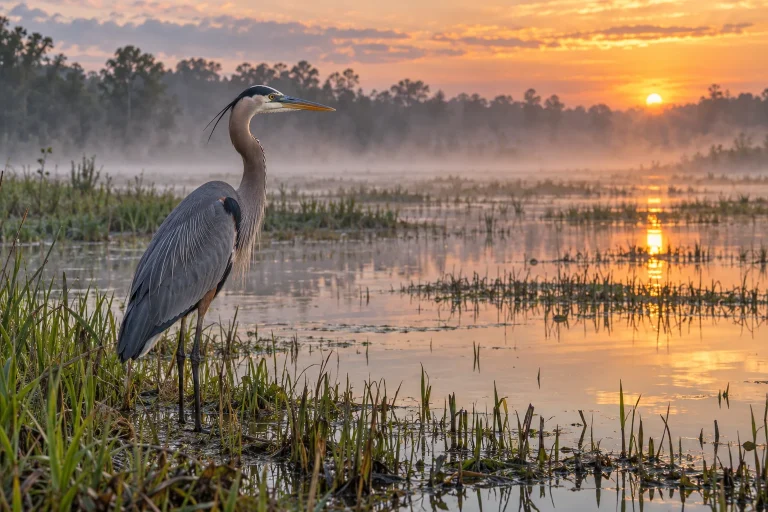
Herons, egrets, and bitterns bring quiet beauty to North America’s wetlands, from tall wading birds stalking fish in shallow water to secretive species hidden among marsh reeds. These patient hunters use sharp bills and quick strikes to catch prey in ponds, rivers, marshes, and along coastal shores. Explore our guides to recognize each species by its plumage, size, calls, and behavior, and learn about its habitat, feeding habits, and nesting life.



Cranes
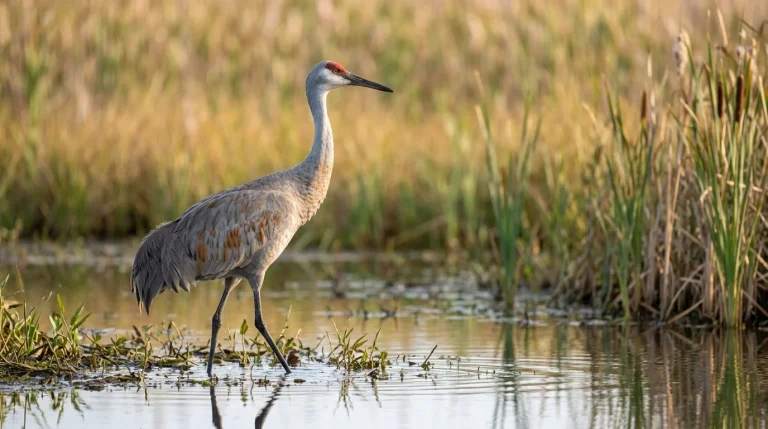
Tall, graceful, and known for their resonant calls and elaborate courtship dances, cranes are striking birds of North America’s wetlands, grasslands, and open fields. The Sandhill Crane and Whooping Crane offer fascinating glimpses into seasonal migration, family life, and conservation. Explore our guides to distinguish these species by size, plumage, calls, and behavior, and learn about the habitats they depend on year-round.

Rails, Coots, and Gallinules
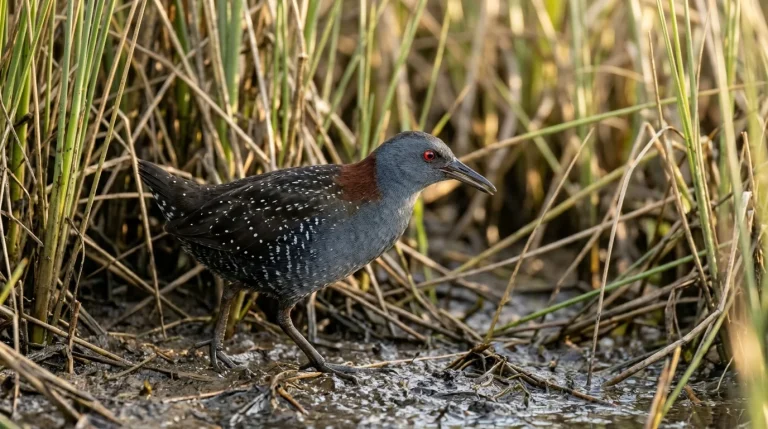
Rails, coots, and gallinules reveal a lively—and sometimes hidden—side of North America’s wetlands. While many rails slip quietly through dense marsh vegetation, coots and gallinules are often easier to spot swimming in open water or feeding along reedy edges. Explore our guides to identify these birds by their markings, bills, calls, and behavior, and learn about their habitats, feeding habits, and nesting life.



Pelicans and Cormorants
Pelicans and cormorants are familiar sights on North America’s lakes, rivers, and coastal waters, where they hunt fish in distinctive ways. Pelicans scoop prey into their large bill pouches, while cormorants dive beneath the surface and often rest with their wings spread above the water. Explore our guides to identify these birds by their size, plumage, bills, and behavior, and learn about their habitats, feeding habits, and nesting colonies.