

Dabbling, Diving, and Sea Ducks
Understanding North American waterfowl diversity starts with categorizing species by habitat preferences, foraging behaviors, and physical adaptations. Here is a comprehensive breakdown of common North American ducks organized by their primary ecological groups. While nature rarely fits into perfect boxes—and a few species naturally blur these lines—this classification system remains the standard framework utilized by field guides, conservationists, and waterfowl organizations across the continent.
Dabbling Ducks
Dabbling ducks, such as Mallards and Northern Pintails, primarily feed by “upending” or tipping forward in shallow waters like marshes, ponds, and shorelines. Unlike diving ducks, which submerge their entire bodies, they stay afloat with their tails and feet pointing toward the sky as they forage just beneath the surface. This specialized technique lets them use their broad, flat bills to filter aquatic vegetation, seeds, algae, protein-rich invertebrates, and other food sources from the water and mud. Dabbling is a crucial part of their feeding behavior, underscoring its importance within their ecological niche. Additionally, understanding their Dabbling habits helps in conservation efforts.


- Mallard
- American Black Duck
- Northern Pintail
- Wood Duck
- Blue-winged Teal
- Green-winged Teal
- Cinnamon Teal
- Northern Shoveler
- Gadwall
- American Wigeon
- Mexican Duck
- Mottled Duck
Characteristics
- Feed in shallow water
- Often “tip up” to reach aquatic plants
- Can take off almost vertically from the water
- Common in marshes, ponds, and flooded fields
Diving Ducks
Diving ducks, such as canvasbacks, scaups, and mergansers, utilize their powerful webbed feet and streamlined bodies to plunge beneath the water’s surface, reaching significant depths to forage for aquatic vegetation, mollusks, and small fish. Unlike surface-feeding dabblers, these specialized waterfowl have evolved to navigate submerged environments, allowing them to access nutrient-rich food sources along the lakebed or ocean floor.

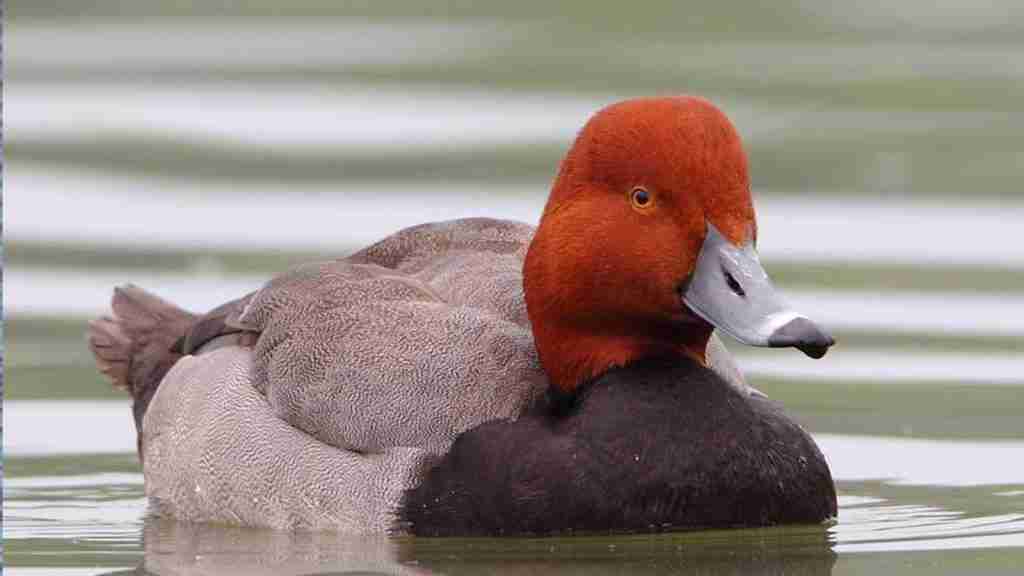

- Canvasback
- Redhead
- Ring-necked Duck
- Greater Scaup
- Lesser Scaup
- Common Goldeneye
- Barrow’s Goldeneye
- Bufflehead
- Ruddy Duck
- Long-tailed Duck (also often grouped with sea ducks)
Characteristics
- Dive completely underwater
- Feed on aquatic plants, mollusks, insects, and fish
- Need a running start across the water to become airborne
- Prefer deeper lakes, reservoirs, and bays
Sea Ducks
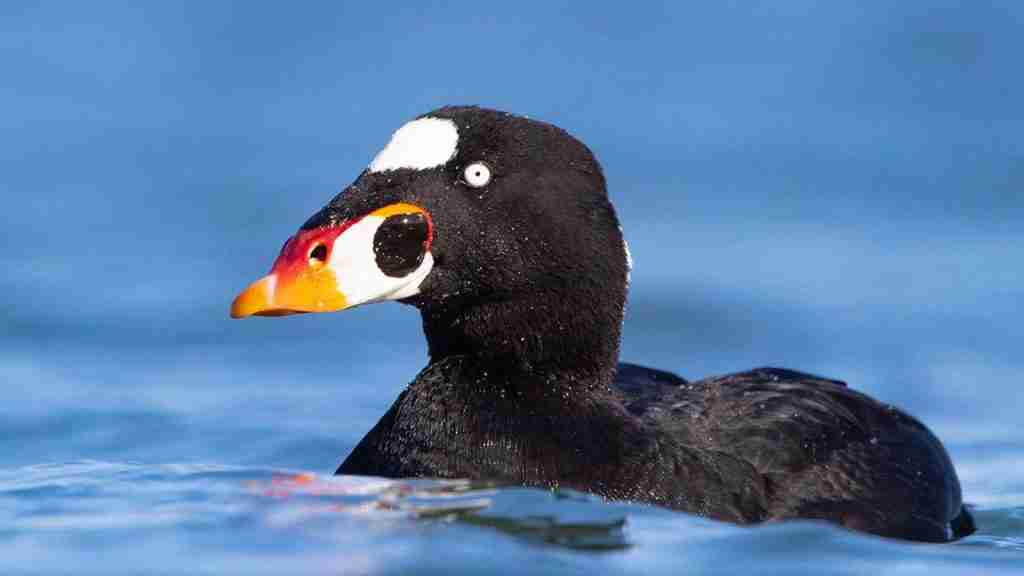
Sea ducks—a resilient group of waterfowl that includes species such as eiders, scoters, and mergansers—spend most of their lives navigating the nutrient-rich coastal waters and rocky shorelines of the Northern Hemisphere. These specialized divers are perfectly adapted to the marine environment, utilizing salt glands to process seawater while foraging for mollusks and crustaceans in the surf. Although they are primarily seafaring, many populations undertake significant seasonal migrations, moving inland in winter to ice-free freshwater lakes, rivers, and reservoirs where food remains accessible despite freezing temperatures.
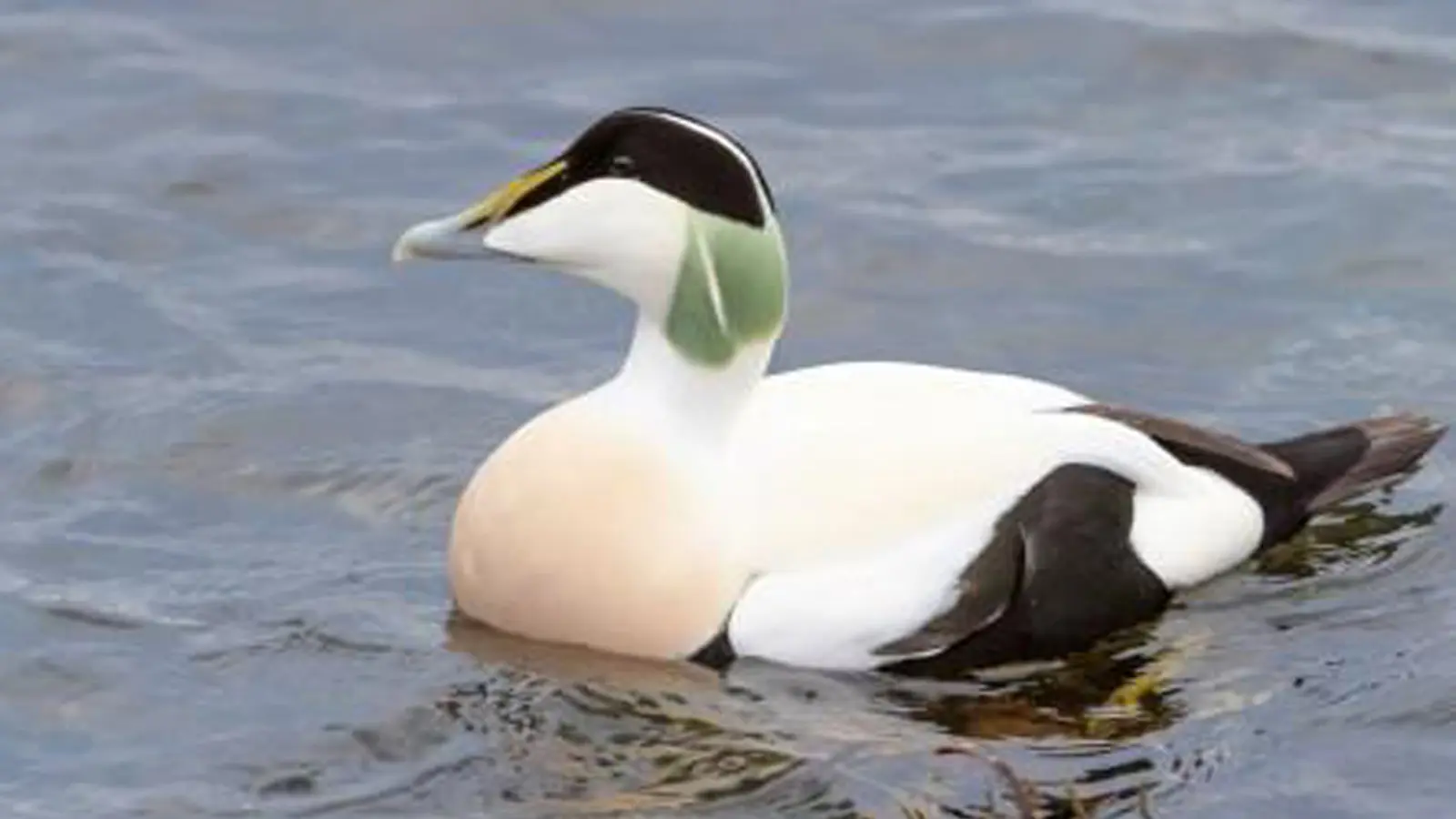

- Common Elder
- King Eider
- Harlequin Duck
- Surf Scoter
- White-winged Scoter
- Black Scoter
- Long-tailed Duck
- Common Merganser
- Red-breasted Merganser
- Hooded Merganser
Characteristics
- Adapted to saltwater environments
- Excellent divers
- Many feed on shellfish, crabs, mussels, and small fish
- Often found along coastlines, estuaries, and offshore waters
Quick Comparison
| Group | Feeding Method | Typical Habitat | Examples |
|---|---|---|---|
| Dabbling Ducks | Tip forward in shallow water | Marshes, ponds, wetlands | Mallard, Wood Duck, Pintail, Teal |
| Diving Ducks | Dive underwater | Lakes, reservoirs, large rivers | Canvasback, Scaup, Goldeneye, Bufflehead |
| Sea Ducks | Dive underwater | Coastal oceans and bays | Eiders, Scoters, Harlequin Duck |
A Note About Mergansers
Mergansers (Common, Red-breasted, and Hooded) are fish-eating diving ducks. Because Common and Red-breasted Mergansers spend much of their lives in coastal habitats, people often group them with sea ducks. In contrast, the Hooded Merganser is more commonly associated with freshwater habitats.
Most birders, wildlife guides, and waterfowl organizations use this classification to identify North American ducks.